One part of the AmiWest weekend stayed quieter than the rest of the room: AROS. We did not hear a large AROS presentation during the convention, but that should not be mistaken for inactivity. The upstream project and related development channels show a lot of movement, and it belongs in the same Amiga-like conversation as the systems we demonstrated ourselves.
This article is an observer's note. We are separating upstream AROS work from our own AuziX and AlpinE experiments, even where the ideas overlap.
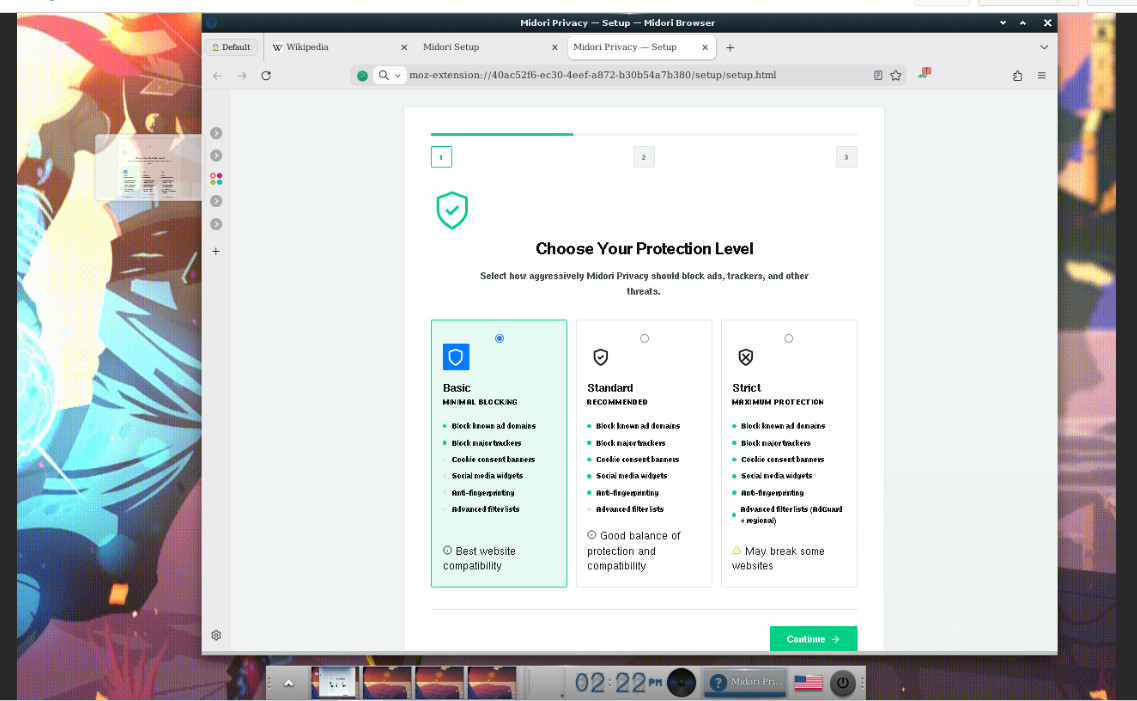
Our own AuziX work starts with a readable workstation structure and asks how much of that feeling can survive on current hardware.
AROS is moving even when the room is quiet
The AROS project describes itself as an independent, portable and free operating system aiming for AmigaOS-compatible APIs while improving on them in several areas. Its public project page and release history show a project that is still changing underneath the familiar desktop vocabulary.
The recent release notes are the useful part for us: drivers, filesystems, datatypes, ARM and 64-bit work, build tooling, diagnostics, and ordinary bug fixes all continue to move. That is the kind of progress that can be easy to miss at a show because it is distributed across commits, builds and test images rather than one dramatic announcement.
The AROS downloads page also makes an important distinction: nightly builds are for developers and testers, not a polished general-user distribution. We should keep that distinction in our own notes and link people to the upstream project before sending them toward community builds or forks.
Where AuziX and AlpinE fit
AuziX is our separate operating-system experiment. It borrows instincts from Amiga, GoboLinux, Slackware, Nix and modern container systems, then asks us to make ownership, programs, services and work roots visible again. It is not AROS, and we do not want the shared visual language to blur that boundary.
AlpinE is the practical workstation path we have been developing on an Alpine Linux base. The point is not to recreate AmigaOS. The point is to build a machine that feels deliberate: readable paths, a responsive desktop, native companion apps, and enough control that we can explain what is installed and why.
Our AlpinE companion-app notes cover the EFL applications and signed APK packaging. The AuziX runtime article goes deeper on the structure behind the desktop.
The laptop demonstration
We also demonstrated the laptop and the Amiga-like features we have been building. That matters because a concept becomes more useful when it survives outside a diagram. We could show a current machine carrying the visual and structural instincts we keep returning to: a compact desktop, purposeful applications, clear paths, and a workflow that does not require hiding the system from its owner.
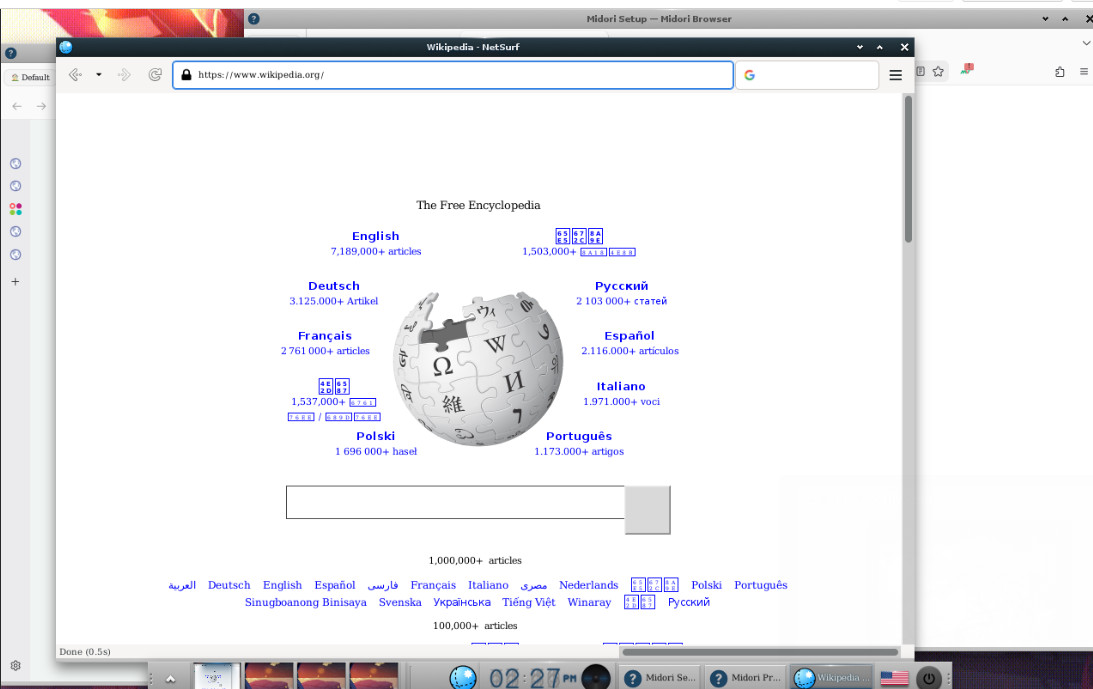
The laptop is part of the experiment: modern hardware, older-school clarity, and enough evidence to keep the claims honest.
The useful comparison is not “which system wins?” It is “what can we learn from each system?” AROS gives us an upstream open-source Amiga-compatible project to watch. AuziX gives us a place to test readable system structure. AlpinE gives us a working modern base on which to ship and demonstrate those ideas.
An Amiga-like category with clear labels
We are adding an Amiga-like resources page for exactly this reason. It groups AROS, its current releases, AxRuntime, AuziX and AlpinE, but it labels their relationship honestly. The page is a map, not a claim that these projects share an owner, release line or compatibility guarantee.
For our own work, the next step is small: keep demonstrating the laptop, publish the working screenshots, and make one part of the workstation easier for another person to inspect. That is how an Amiga-like idea becomes a useful engineering habit instead of a mood board.
Photos and screenshots: Auzietek's project and AmiWest collections. AROS project descriptions and release information remain credited to their upstream authors.