AuziX is where the retro lane tilts toward the future.
It is not simply “make Linux look like an Amiga.” That would be cute, but too small. The deeper question is more interesting:
What if the things older systems got right — readable structure, fast feedback, clear ownership, understandable startup, and user-visible system logic — were rebuilt with modern Linux, reproducible builds, containers, and local compute fabric ideas?
That is the AuziX thread.
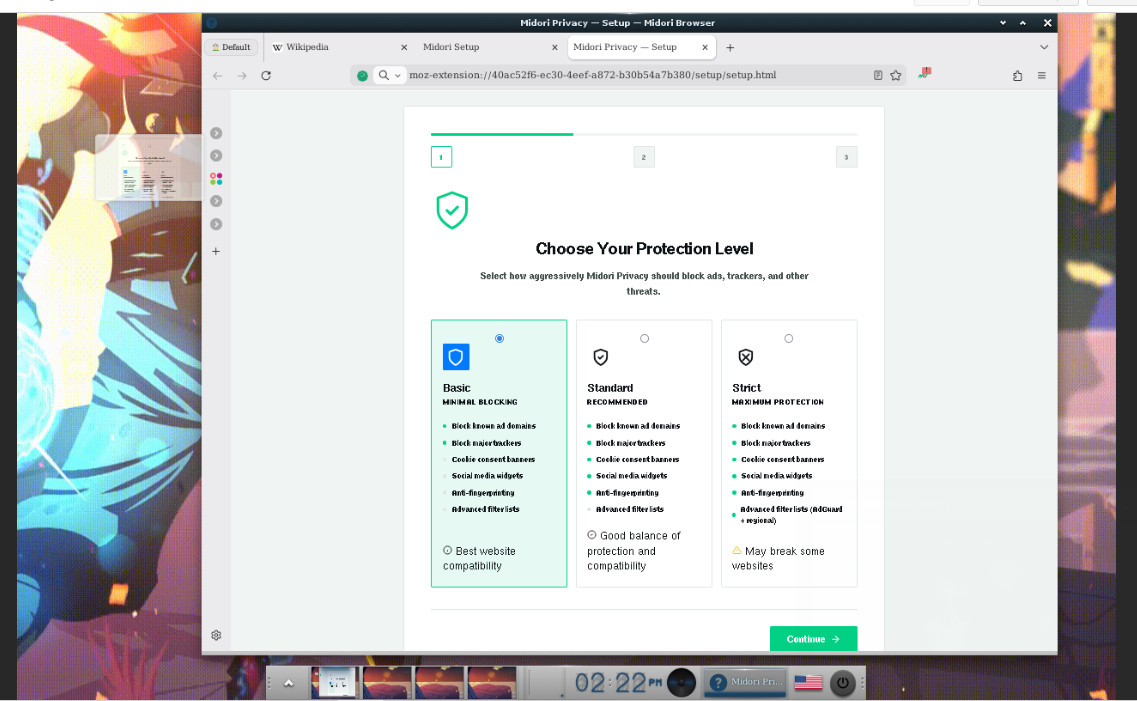
The design DNA
AuziX pulls inspiration from several places:
- AmigaOS for logical structure, startup clarity, and desktop personality.
- GoboLinux for human-readable application hierarchy ideas.
- Slackware for simple, inspectable system habits.
- Nix and reproducible-build thinking for deterministic system state.
- Modern container patterns for isolating services without hiding them.
The public repo describes a root contract around directories such as:
/System
/Programs
/Services
/Stacks
/Work
/Users
/Volumes
/Network
That is not just cosmetic. It is an attempt to make ownership visible.
Why this belongs beside Amiga projects
Retro systems make constraints visible. AuziX asks whether a modern workstation can recover some of that clarity without giving up modern hardware, browsers, networking, package transport, and service isolation.
Current state: experimental, but concrete
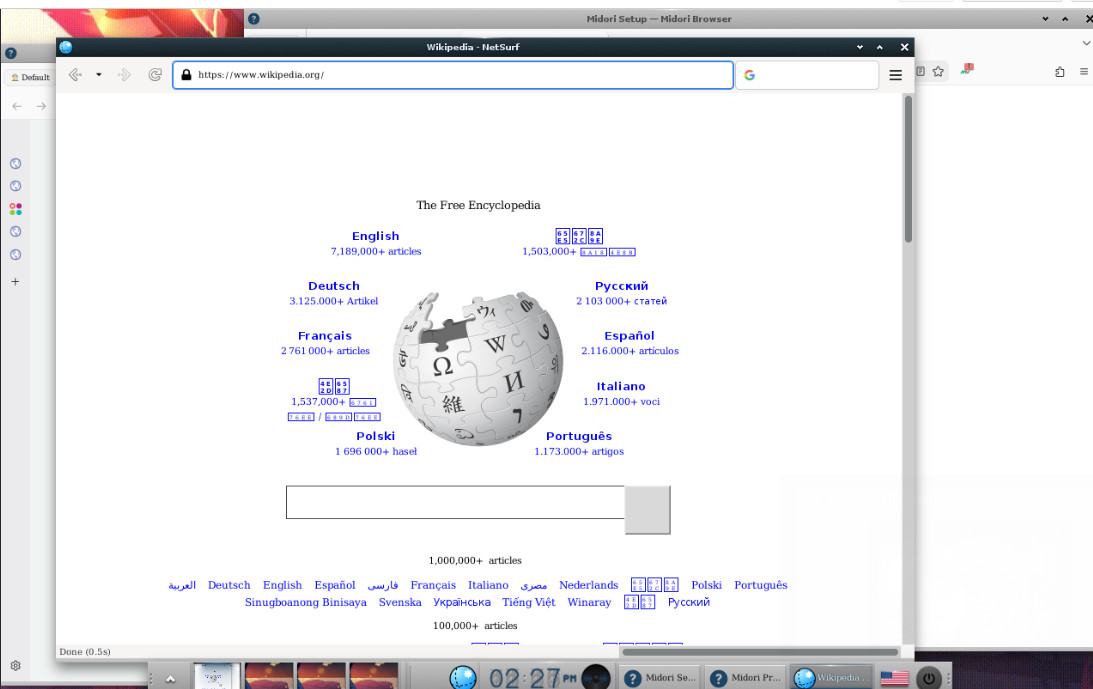
The work is speculative, but not imaginary. Local notes show boot images, installer paths, package receipts, browser checkpoints, strict-root audits, and KVM-first test loops.
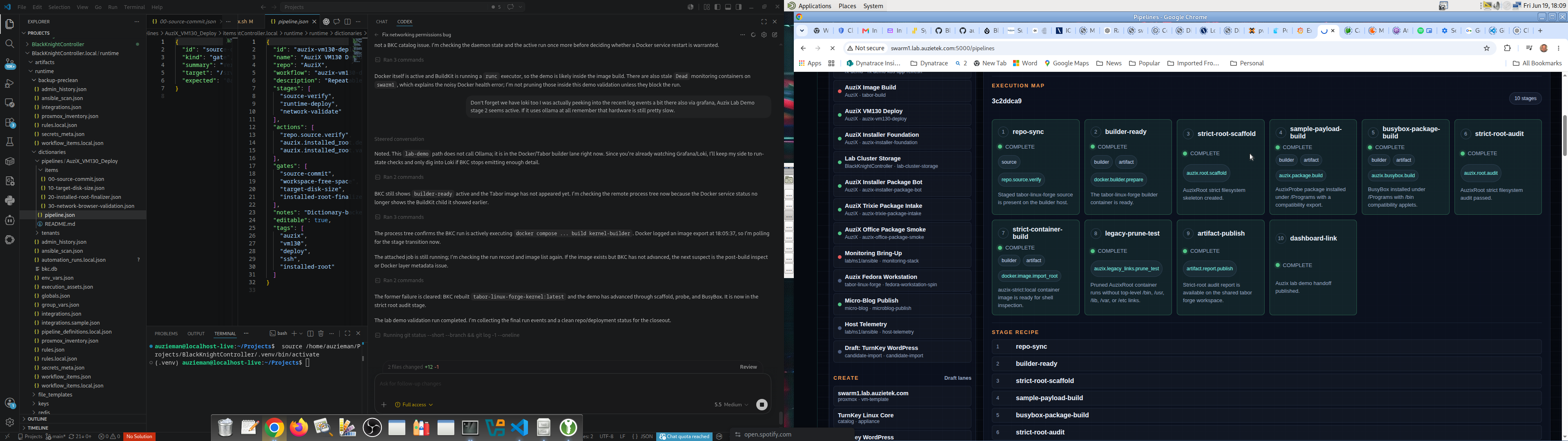
That distinction matters. Auzietek can talk about future computing ideas because the ideas are being pushed through real build artifacts and real validation evidence.
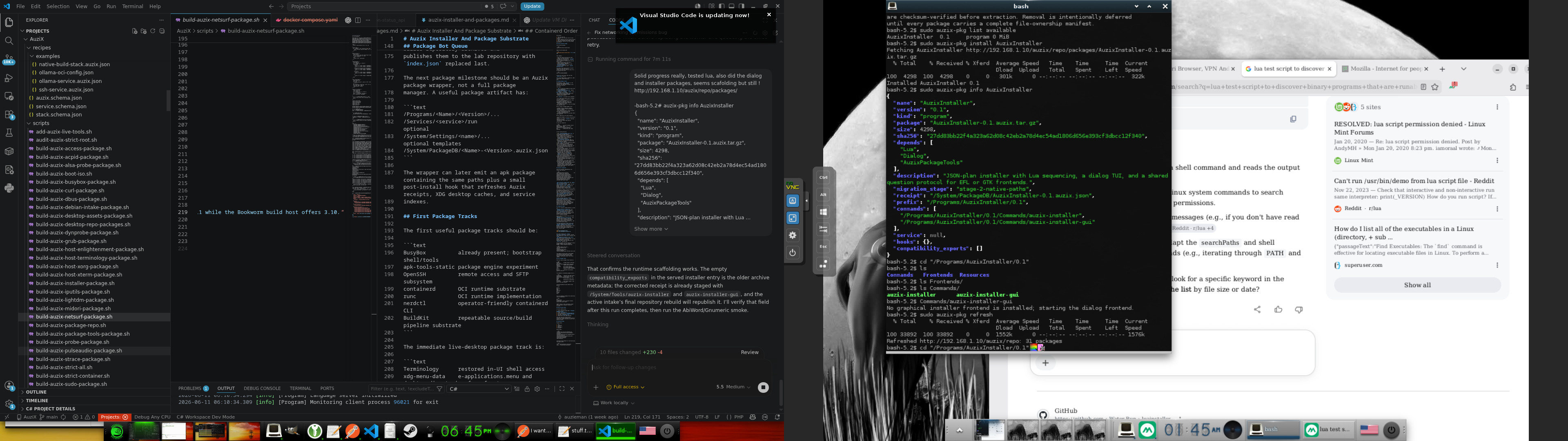
The useful lesson for readers is not “copy this OS today.” The useful lesson is how to reason about operating-system shape:
- make path ownership visible;
- keep compatibility as a bridge, not the whole identity;
- prefer small, inspectable services;
- preserve receipts that describe intent;
- test in a fast VM loop before chasing harder hardware.
Repo: AuziX on GitHub.